Biomedical Waste Management
The Hidden Crisis in Health Care Operations
India generates 850–900 MT of biomedical waste every day, yet 20–25% remains untreated or improperly treated—particularly in Tier-2/3 healthcare settings. This untreated waste releases pathogens, toxic chemical residues, and antimicrobial compounds into the environment, directly contributing to AMR proliferation in soil, water, sewage lines, and dumpsites.
India already records ~300,000 AMR-related deaths annually, making improper BMW handling a significant driver of environmental antimicrobial resistance.
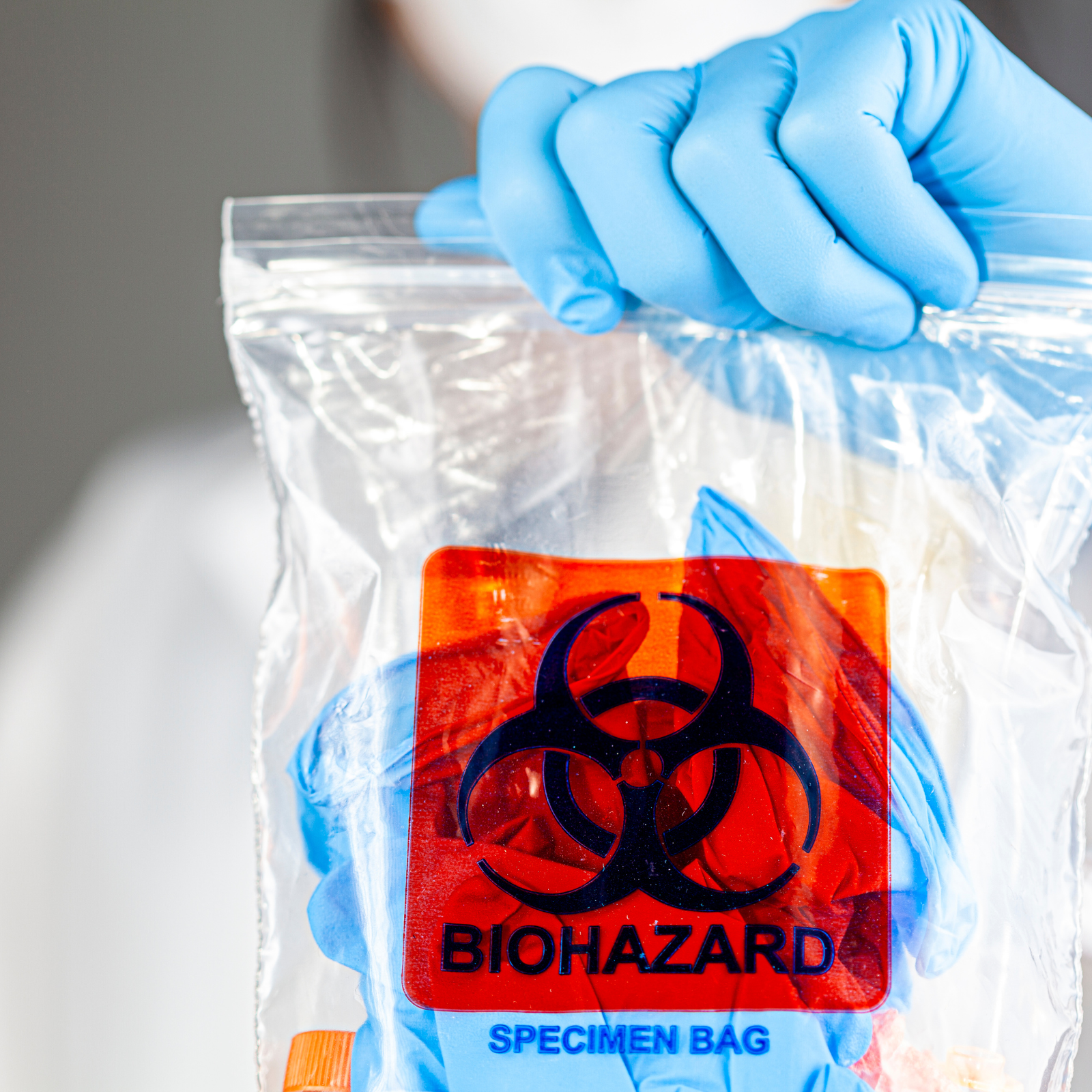
- Leakage of pathogens, antibiotic residues, and disinfectants into soil and water creates environmental selection pressure that accelerates antimicrobial resistance.
- Centralized incineration can release toxic air pollutants like dioxins, furans, particulates, VOCs, especially under poor segregation or sub-optimal operation.
- Incineration ash may contain heavy metals and persistent pollutants, posing long-term soil and groundwater contamination risks.
- Environmental spread of antibiotic-resistant bacteria and resistance genes enables AMR circulation across hospitals, communities, animals, and ecosystems under One Health Pathway.

Most BMW is transported long distances to CBWTF facilities, causing:
- High CO₂ emissions from repeated transport
- Release of toxic flue gases, dioxins, and VOCs from incineration
- Leakage of antibiotic residues, disinfectant chemicals, and resistant microbes into soil and groundwater
Abiot-E-Safe™
Abiot-E-Safe™ is an AI-enabled, compact, on-site biomedical waste treatment system that brings safe, fast, and fully traceable disinfection directly to the point of waste generation. It eliminates:
- Manual handling
- Long storage duration
- Segregation errors
- Loss of traceability
- Paper-based audit lapses
Designed specifically for LMIC environments, it reduces pathogen burden, AMR spread, environmental contamination, and emissions.

AI-Driven Waste Segregation
Smart sensors verify bag type, fill level, and rule compliance before treatment—reducing segregation errors and unsafe processing.

On-Site 4-Log Disinfection
UV-C and micro-fog oxidizer deliver verified 99.99% microbial reduction with HEPA-carbon emission control.

SmartTrace™ Chain-of-Custody
RFID/QR tracking ensures bag-to-disposal traceability and prevents illegal dumping and SOP failures.

Real-Time Compliance Dashboard
Digital logs enable instant NABH/CPCB audit readiness with zero paperwork and full operational visibility.
Sustainability & Green Healthcare Alignment
Reduced Environmental Footprint
- 50–70% reduction in BMW transport emissions
- No toxic byproducts; only water vapor & oxygen after catalytic breakdown
- Supports Green Hospital Certification, Swachh Bharat Mission, and SDGs

AMR Mitigation at Source
By neutralizing pathogens and antibiotic residues before waste leaves the facility, Abiot-E-Safe™ interrupts one of the largest environmental AMR pathways.

Positioned for a Safer, Cleaner Future
"Treat the waste, protect the ecosystem — because every safe cycle saves lives."